
Customer Success Stories Product Information
CASE1 Improving die lifespan
Issues

- Chips and cracks occurred on dies as the number of shots increased.
- It was necessary to further extend die lifespans.
Action
NICHIDAI reviewed the heating temperature and holding time by changing the quenching method from gas cooling to oil cooling.
|
Before action (Gas cooling) |
After action (Oil cooling) |
After action (Oil cooling) |
|
|---|---|---|---|
| Heating temperature for quenching | 1,145℃ | 1,120℃ | Grain refinement (Toughness improvement) |
| Heating and holding time for quenching | 42min | 32min | Grain refinement (Toughness improvement) |
| Quenching Cooling | Gas cooling | Oil cooling | Suppression of grain boundary carbide precipitation. Suppression of bainite growth (Toughness improvement) |
Verification of effects
Gas cooling

Oil cooling


Effects
The metal structure was optimized by reviewing the heat treatment conditions and quenching method. The Charpy impact value was improved by approximately 3.4 times. As a result, the die lifespan was extended by approximately 2.8 times .

CASE2 Achieved One-Piece Forming of Valve Lifters
Issues

- Large machining allowances were required for hot forging-based forming.
- It was difficult to secure weight reduction, wall thinning, and strength.
- It was difficult to meet the requirement specifications for engine parts.
Action
NICHIDAI achieved integral forming based on cold forging by integrating the knowhow of forming analysis and die design.
-

Conducting forming analysis
NICHIDAI conducted forming analysis internally
and grasped risks of die damage beforehand. -
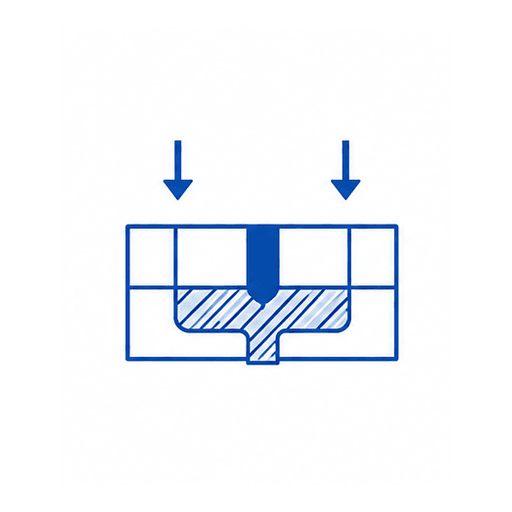
Optimizing the die structure
NICHIDAI optimized the die structure
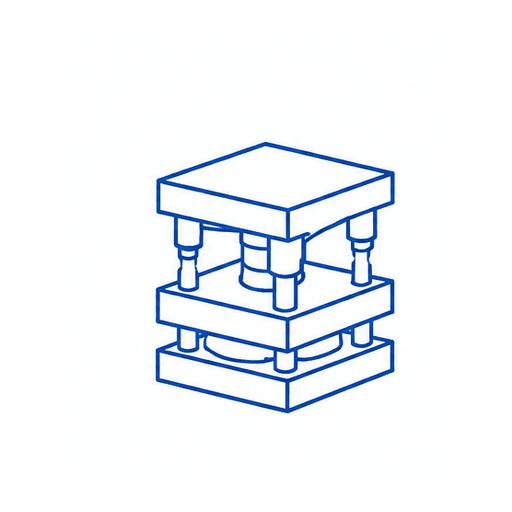
according to the analysis results. -
Proposing the Optimal Manufacturing Process for Each Customer
NICHIDAI achieved cold forging-based forming by
designing optimum manufacturing methods and conditions. -

Prototyping and mass production
NICHIDAI achieved mass production of
high-precision and high-strength parts.


Effects
-
Achievement of cold forging-based forming
NICHIDAI established integral forming based on cold forging which was considered to be difficult in the early stages of development.
-
Reduction of machining allowance
NICHIDAI reduced machining allowances through high-precision forming.
-
Satisfaction of weight reduction, wall thinning, and strength
NICHIDAI contributed to improving engine performance by securing performance that meets the requirement specifications.
